logo
Good price  online

products details

Created with Pixso. Home Created with Pixso. Products Created with Pixso.
Ampoule Filling Machine
Created with Pixso. Continuous Line Ampoule Filling Machine with Automatic Feeding Washing Filling and Flame Sealing

Continuous Line Ampoule Filling Machine with Automatic Feeding Washing Filling and Flame Sealing

Brand Name: Lingyao
Model Number: LY-AF-24N
MOQ: 1 set
Price: USD 46,000–140,000/set
Delivery Time: 30–45 days after deposit
Payment Terms: T/T, L/C, Western Union
Detail Information
Place of Origin:
Shanghai, China
Certification:
CE, GMP, ISO 9001
Line Architecture:
Automatic Feeding To Sealed Outlet
Feeding Capacity:
Up To 13,000 Pcs/h
Filling Range:
1–20 Ml
Production Capacity:
8,000–12,000 Pcs/h
Filling Accuracy:
±0.5%
Washing Method:
Ultrasonic + Jet Rinse
Sealing Method:
Flame Sealing With Gas Monitoring
Staffing:
1 Operator Per Line
Air Pressure:
0.6–0.8 MPa
Power:
12.5 KW, 380V/50Hz
Dimensions:
6,500 × 2,100 × 1,900 Mm
Machine Weight:
3,400 Kg
Packaging Details:
Export wooden case with anti-rust film and foam inserts
Supply Ability:
10 sets per month
Highlight:

automatic ampoule filling machine

,

continuous line ampoule filler

,

flame sealing ampoule machine

Product Description
Product Overview

This continuous line ampoule filling machine takes end-to-end automation one step further: automatic feeding, washing, filling and flame sealing run as one continuous line from glass inlet to sealed ampoule outlet. It is designed for producers who want to minimize labor in the ampoule process and maximize line utilization. The automatic feeding module is fully integrated with the washing rotor, so ampoules enter the process already oriented and spaced.

Problem

Labor cost and labor availability are the two biggest operational constraints in ampoule production. Manual feeding and manual supervision between stations consume 60–70% of the line's staffing. In markets with rising wages or scarce skilled operators, the manual steps also become the main source of speed variation and contamination risk, limiting effective output below the machine's rated capacity.

Cause

Each manual interface adds a human-paced variable to an otherwise machine-paced process. Feeding speed varies with operator fatigue, transfer between stations invites pitch errors, and hand proximity to the glass path adds contamination vectors. These variables force quality teams to add inspection buffers, which further increase labor demand in a self-reinforcing cycle.

Solution

This line automates the entire glass path: a vibration feeder meters ampoules into the washing rotor, star wheels transfer them through filling, and the sealing station discharges finished ampoules onto the inspection conveyor. One operator manages the line, primarily for glass loading and quality sampling. The line reaches 92%+ utilization and cuts staffing per million units by roughly 60% compared with semi-automatic configurations.

Key Features
  • Fully automated glass path: feeding, washing, filling and sealing without manual transfer
  • 60% staffing reduction: one operator per line instead of two to three
  • 92%+ line utilization: elimination of human-paced steps raises effective output
  • Integrated feeder-washer interface: ampoules enter washing already oriented and spaced
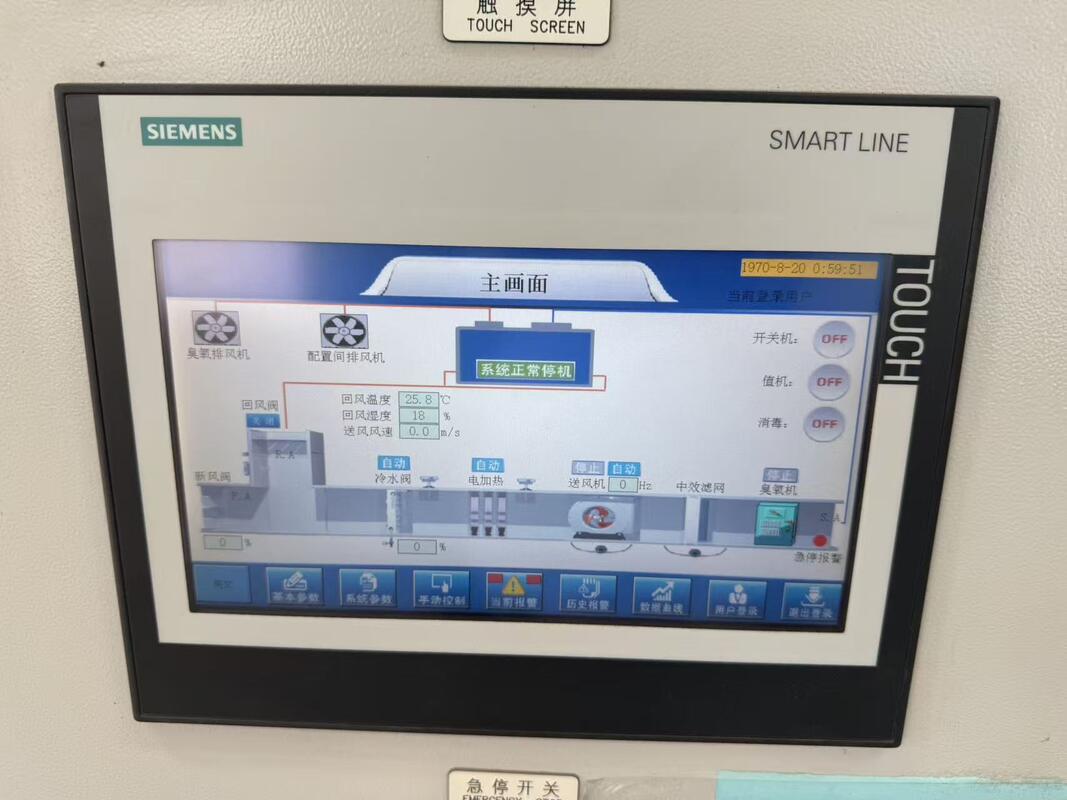
  • Unified line control: one HMI supervises all stations with single-point alarming
  • Quick-change tooling: star wheels and nozzles swap in under 40 minutes for size changes
Technical Specifications
ParameterSpecification
Line Architectureautomatic feeding to sealed outlet
Feeding Capacityup to 13,000 pcs/h
Filling Range1–20 ml
Production Capacity8,000–12,000 pcs/h
Filling Accuracy±0.5%
Washing Methodultrasonic + jet rinse
Sealing Methodflame sealing with gas monitoring
Staffing1 operator per line
Air Pressure0.6–0.8 MPa
Power12.5 kW, 380V/50Hz
Dimensions6,500 * 2,100 * 1,900 mm
Machine Weight3,400 kg
Applications

This line is the right choice for plants in high-labor-cost regions and for multinational groups standardizing production across countries with different labor markets. It also suits high-volume basic injectables where labor cost per million units is a decisive competitive factor. The automatic feeding module handles ampoules from bulk boxes or tubs, covering both fresh tubing glass and pre-sterilized supply chains.

For greenfield projects, the line's compact single-frame layout reduces cleanroom area requirements by about 30% compared with separated machines.

Selection Guide

Confirm your labor strategy first: if labor is cheap and abundant, the payback of full automation may be longer than your planning horizon. Second, check your ampoule supply format, because bulk-box feeding and tub feeding need different feeder interfaces. Third, verify the line's effective utilization target with the supplier, including planned maintenance stops. Finally, plan the changeover schedule, since a highly automated line must be fed with a reliable sequence of sizes to avoid idle time between campaigns.

FAQ

Q: How many operators are really needed?

One operator per line for glass loading, supervision and quality sampling. With the optional automatic tub loader, one operator can supervise two lines, since glass loading becomes a periodic task rather than continuous work.

Q: What happens during a size change on the automated line?

The line runs empty, the operator swaps the star wheels, filling heads and feeder rails (about 40 minutes), then loads the new recipe on the HMI. The servo stations re-synchronize automatically and the first 50 ampoules are inspected before full speed resumes.

Q: Can the line be extended with a sterilizing module?

Yes, the frame is prepared for the sterilizing tunnel module, which can be added between washing and filling. The control program includes the tunnel interface, so the extension is a mechanical and validation task rather than a control engineering project.

Q: What is the payback period for full automation?

At typical labor costs, the payback is 18–30 months, depending on shift count and local wages. The calculation should include the utilization gain (from about 75% to 92%+) in addition to the direct labor saving.

Packaging & Quality Assurance

Every machine is test-run with water and dummy ampoules for 72 hours before packing, and a sealed calibration report is shipped with the unit. The machine is wrapped in anti-rust film and secured in an export-grade wooden case with foam inserts, suitable for sea or air freight. We supply CE, GMP and ISO 9001 documentation, a 12-month warranty on parts, and lifetime remote technical support. On-site installation, operator training and IQ/OQ/PQ validation assistance are available on request.