logo
Good price  online

products details

Created with Pixso. Home Created with Pixso. Products Created with Pixso.
Ampoule Filling Machine
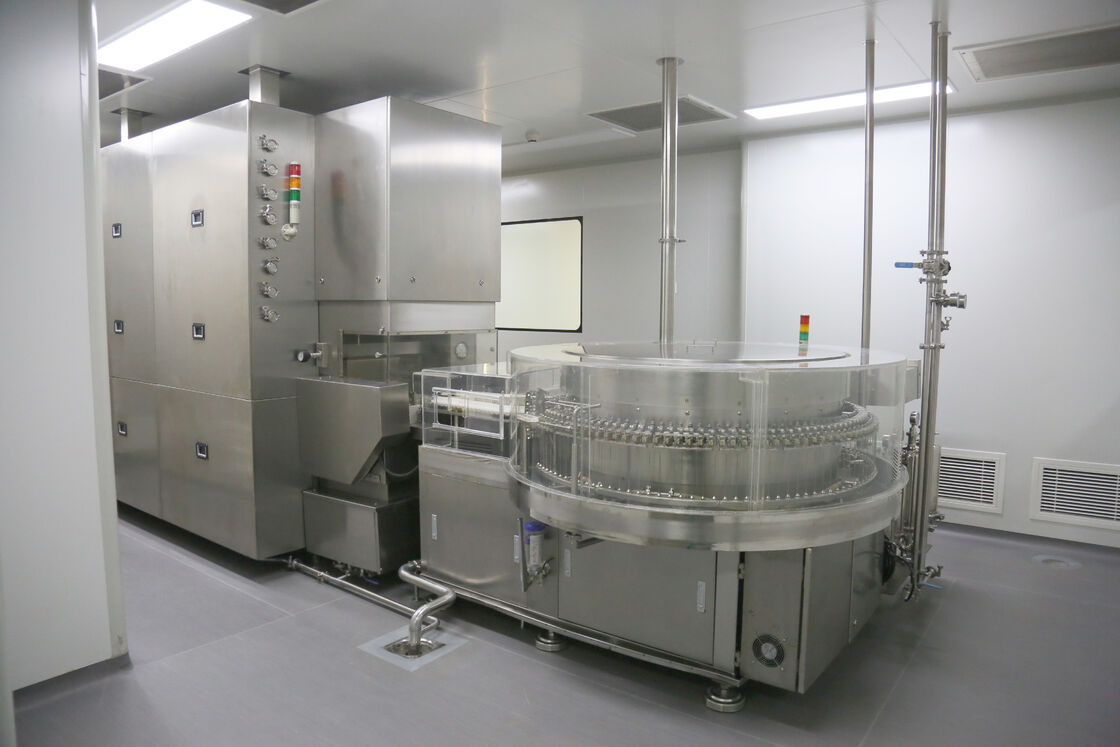
Created with Pixso. Integrated Ampoule Filling Machine for Pharmaceutical Washing Sterilizing Filling and Sealing Applications

Integrated Ampoule Filling Machine for Pharmaceutical Washing Sterilizing Filling and Sealing Applications

Brand Name: Lingyao
Model Number: LY-AF-20I
MOQ: 1 set
Price: USD 42,000–130,000/set
Delivery Time: 30–45 days after deposit
Payment Terms: T/T, L/C, Western Union
Detail Information
Place of Origin:
Shanghai, China
Certification:
CE, GMP, ISO 9001
Module Configuration:
Washing + Filling + Sealing (sterilizing Optional)
Filling Range:
1–20 Ml
Production Capacity:
6,000–12,000 Pcs/h (configurable)
Filling Accuracy:
±0.5%
Washing Method:
Ultrasonic + Jet Rinse
Sterilizing Option:
Dry-heat 300–350°C Or VHP Chamber
Sealing Method:
Flame Sealing With Gas Monitoring
Control System:
Siemens PLC + 12-inch HMI
Air Pressure:
0.6–0.8 MPa
Power:
8–15 KW Depending On Modules
Dimensions:
4,500 × 2,000 × 1,800 Mm (base)
Machine Weight:
2,400 Kg (base)
Packaging Details:
Export wooden case with anti-rust film and foam inserts
Supply Ability:
10 sets per month
Highlight:

pharmaceutical ampoule filling machine

,

sterilizing ampoule filling machine

,

sealing ampoule filling machine

Product Description
Product Overview

This integrated ampoule filling machine is a modular platform that covers washing, sterilizing, filling and sealing applications for pharmaceutical producers who plan for growth. The modular architecture lets you start with washing, filling and sealing, then add the sterilizing tunnel or isolator interface when your product moves from non-sterile to sterile classification. All modules share one frame, one PLC and one HMI, so upgrading does not require a second line.

Problem

Pharmaceutical companies frequently upgrade product classifications, for example moving a topical or oral preparation to an injectable form. Existing non-sterile filling lines cannot be extended step by step because each supplier uses different controls and transfer interfaces. The result is a full line replacement every time the product portfolio changes, with repeated validation cost and months of downtime.

Cause

Conventional lines are monolithic: washing, sterilizing, filling and sealing stations are welded into a single machine from one supplier, and adding a station means rebuilding the line. Control systems from different vendors cannot share batch data, so the aseptic chain documentation remains fragmented. This architectural rigidity is the root cause of expensive re-investment.

Solution

This platform separates each process into a modular station with standardized mechanical interfaces and a common control bus. The sterilizing module, filling module and sealing module can be combined or extended in the field within weeks, not months. Batch data from every module flows into one electronic batch record, so validation documentation stays consistent through upgrades. The platform supports output from 6,000 to 12,000 pcs/h depending on module configuration.

Key Features
  • Modular station architecture: add sterilizing, isolator or inspection modules without replacing the line
  • Single control platform: one PLC and HMI for all modules, unified electronic batch records
  • Field-upgradeable sterilizing: dry-heat or VHP module bolts on when products become sterile
  • Standardized transfer interfaces: modules from one vendor connect mechanically and electrically without adapters
  • 6,000–12,000 pcs/h scalable: output grows by adding filling heads, not by buying a new machine
  • Full GMP documentation: IQ/OQ/PQ protocols and FAT/SAT reports for each module configuration
Technical Specifications
ParameterSpecification
Module Configurationwashing + filling + sealing (sterilizing optional)
Filling Range1–20 ml
Production Capacity6,000–12,000 pcs/h (configurable)
Filling Accuracy±0.5%
Washing Methodultrasonic + jet rinse
Sterilizing Optiondry-heat 300–350°C or VHP chamber
Sealing Methodflame sealing with gas monitoring
Control SystemSiemens PLC + 12-inch HMI
Air Pressure0.6–0.8 MPa
Power8–15 kW depending on modules
Dimensions4,500 * 2,000 * 1,800 mm (base)
Machine Weight2,400 kg (base)
Applications

The modular platform suits pharmaceutical companies with evolving pipelines: a plant producing oral liquids today can add the sterilizing module and HEPA enclosure tomorrow to launch an injectable line. It is also cost-effective for CMOs that win contracts with different sterility requirements, because the same base machine is reconfigured per contract. Research institutes and pilot plants use the base configuration for clinical batch production before scaling to full modules.

Each module configuration is factory-tested and documented, so regulatory dossiers for new products can reference validated module combinations rather than untested one-off lines.

Selection Guide

Map your product roadmap for the next five years before choosing modules: if injectables are certain, order the sterilizing module now to avoid retrofitting inside a cleanroom. Second, decide the target output tier, because the filling module is offered in 6-head, 8-head and 12-head versions. Third, verify the cleanroom envelope, since the isolator interface version has a different height and utility connection layout. Finally, agree on the validation package scope with the supplier, including media-fill support and batch record template customization.

FAQ

Q: How long does it take to add the sterilizing module later?

Typically 2–3 weeks on site including mechanical installation, electrical connection and commissioning. Validation is faster than a new line because the control platform and batch record structure are already in place.

Q: Can modules from this platform be used in an existing line from another vendor?

The modules are designed for the platform's standardized interface. For third-party lines we supply adapter kits, but we recommend a platform assessment first, because control integration effort varies significantly.

Q: Does the base configuration meet GMP requirements for non-sterile products?

Yes. The base configuration follows GMP for non-sterile liquids, including sanitary design, material certificates and cleaning documentation. When the sterilizing module is added, the documentation package is extended to sterile production requirements.

Q: What is the maximum output after full upgrade?

With the 12-head filling module and high speed sealing station, the platform reaches 12,000 pcs/h for 1–10ml ampoules. The 20ml configuration runs at 8,000 pcs/h.

Packaging & Quality Assurance

Every machine is test-run with water and dummy ampoules for 72 hours before packing, and a sealed calibration report is shipped with the unit. The machine is wrapped in anti-rust film and secured in an export-grade wooden case with foam inserts, suitable for sea or air freight. We supply CE, GMP and ISO 9001 documentation, a 12-month warranty on parts, and lifetime remote technical support. On-site installation, operator training and IQ/OQ/PQ validation assistance are available on request.